

 By Nirali Thakkar
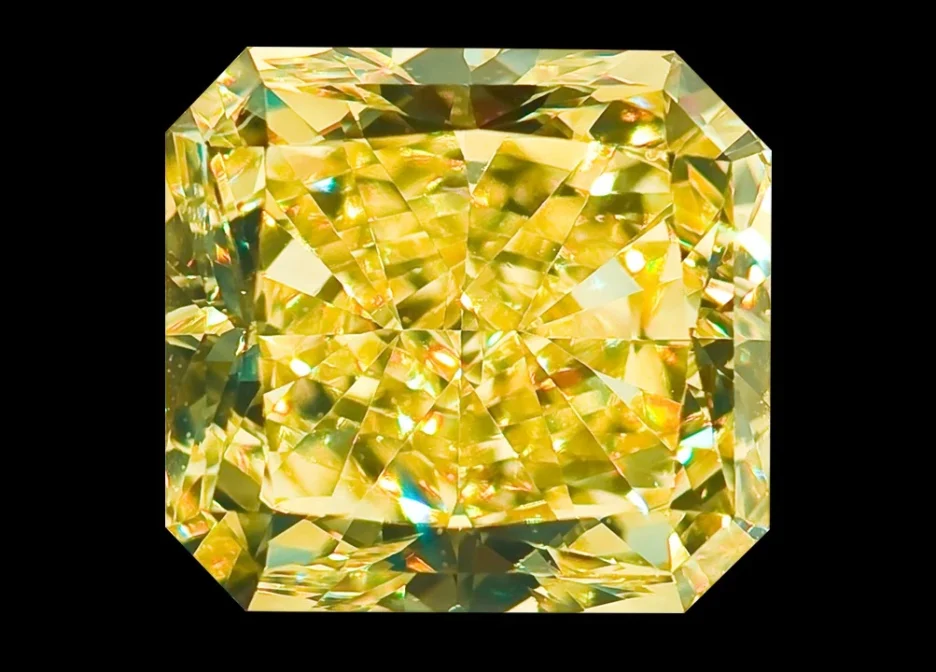
Fancy Yellow Yellow diamonds, also known as canary diamonds, are the most well-known among fancy diamonds. Unlike many white diamonds that appear yellow and are listed on the far end (Y-Z) of the standard diamond color scale, true fancy yellow diamonds are distinct and not categorized with these near-colorless diamonds. A diamond is considered fancy
Read More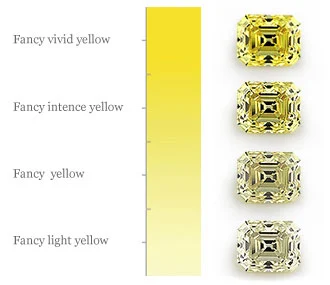 By Nirali Thakkar
Color & Intensity When determining the quality and value of a fancy color diamond, three main criteria are considered: 1. Primary Color: The diamond’s main color (e.g., pink). 2. Secondary Color: Any addiƟonal hues present in the diamond (e.g., purplish). 3. Color Intensity: The strength of the diamond’s color (e.g., fancy, fancy intense, fancy vivid).
Read More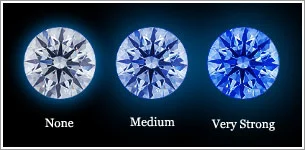 By Nirali Thakkar
Fluorescence What Is Diamond Fluorescence? Fluorescence is a naturally occurring phenomenon in certain minerals and gems, including some quality diamonds. When exposed to ultraviolet (UV) light, these diamonds emit a visible light known as fluorescence. While this fluorescence is typically not visible under most lighting conditions, a diamond will exhibit a soft colored glow when
Read More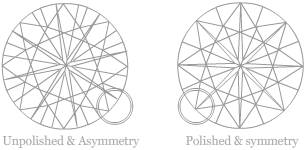 By Nirali Thakkar
Diamond Polish What Is Diamond Polish? Diamond polish is a crucial factor in determining a diamond’s brilliance and overall appearance. The quality of a diamond’s polish affects how well light can pass through the stone, influencing its sparkle and visual appeal. When selecting a diamond, it is essential to choose one with a polish grade
Read More
By Nirali Thakkar
Diamond Symmetry Symmetry refers to the precision and alignment of a diamond’s facets. While minor asymmetries may have a negligible impact on appearance to the naked eye, symmetry is crucial for enhancing a diamond’s brilliance and overall appeal. In diamonds with lower clarity grades, symmetry is less critical, but in diamonds with high clarity grades,
Read More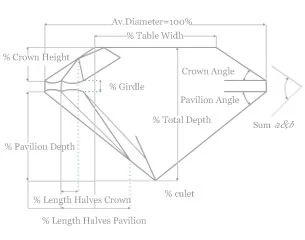 By Nirali Thakkar
Proportion – Understanding Brilliance, Dispersion & Scintillation Well-proportioned diamonds exhibit three essential properties: brilliance, dispersion, and scintillation. Understanding these properties is crucial to appreciating a diamond’s overall beauty and value. Brilliance: When light strikes a diamond’s surface, it can either reflect off the table (the largest, flat facet on the top of the diamond) or
Read More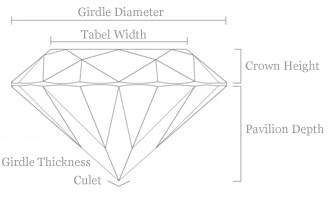 By Nirali Thakkar
Diamond Anatomy While every diamond is unique, all diamonds share certain structural features. A diamond’s anatomy, or its basic structure, determines its proportions, brilliance, dispersion, and scintillation. Each part of the diamond has a specific name, and understanding how each part contributes to the diamond as a whole will help you find your perfect diamond.
Read More
By Nirali Thakkar
Diamonds come in various shapes, each possessing unique qualities. At Amba, we offer the highest quality certified diamonds to satisfy all tastes. Here are some of the popular diamond shapes: Asscher Cut Diamonds Also known as the “Square Emerald-Cut,” the Asscher Cut Diamond is made using a step-cut process and has cropped corners, giving it
Read More
By Nirali Thakkar
Diamond Weight Understanding Diamond Carat Weight Carat is a term that refers to the weight of a diamond. Before the twentieth century, diamonds were measured using carob seeds, known for their small and uniform size, which served as perfect counterweights to the diamond. The term “carob” is the origin of the word “carat” that we
Read More By Nirali Thakkar
Diamond Clarity Which Clarity Grade to Choose? When selecting a diamond, it is crucial to choose one that is free from inclusions that could impact its overall beauty and durability. For absolute assurance that your diamond will be completely free of “eye-visible” inclusions, opt for diamonds graded “VS2” or higher. Shopping for SI quality diamonds
Read More